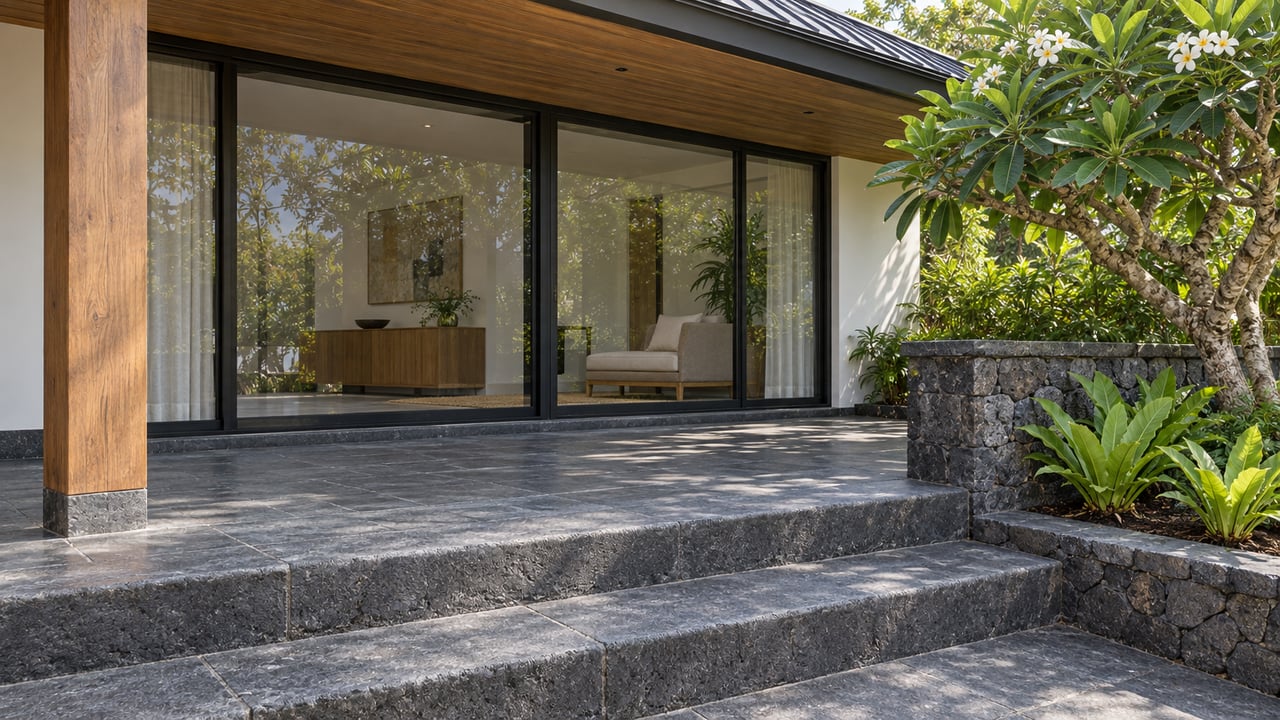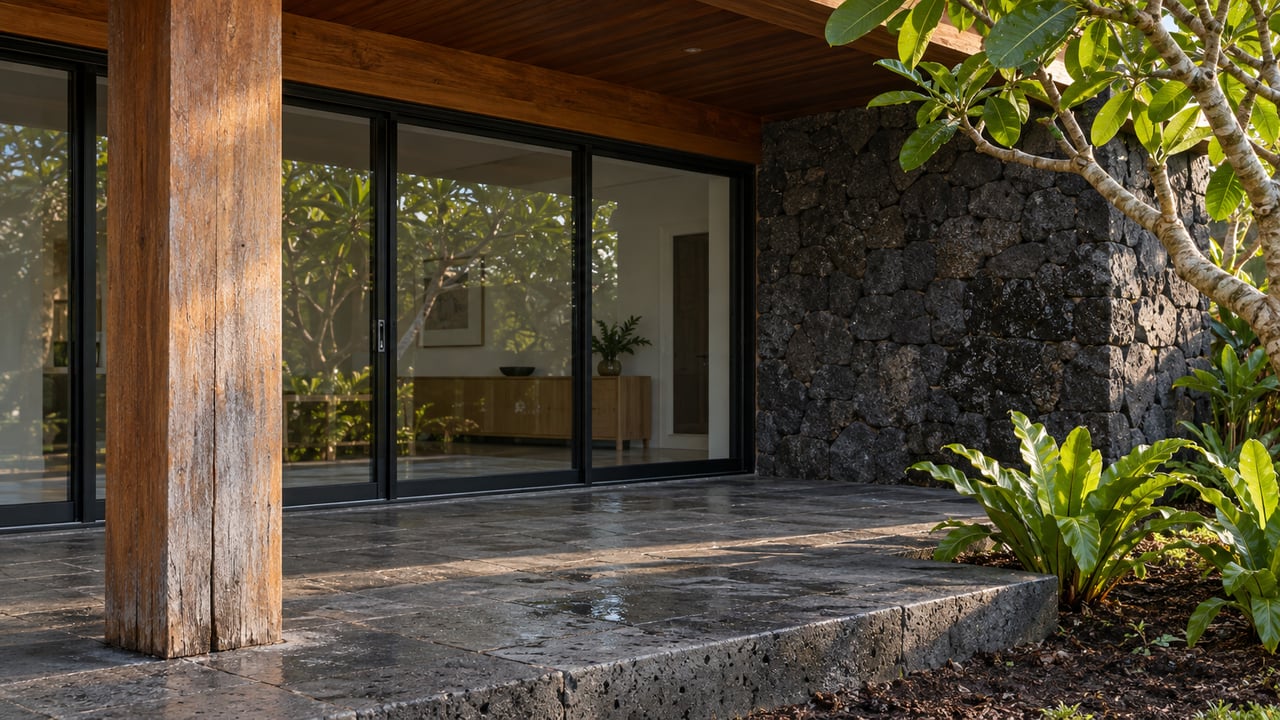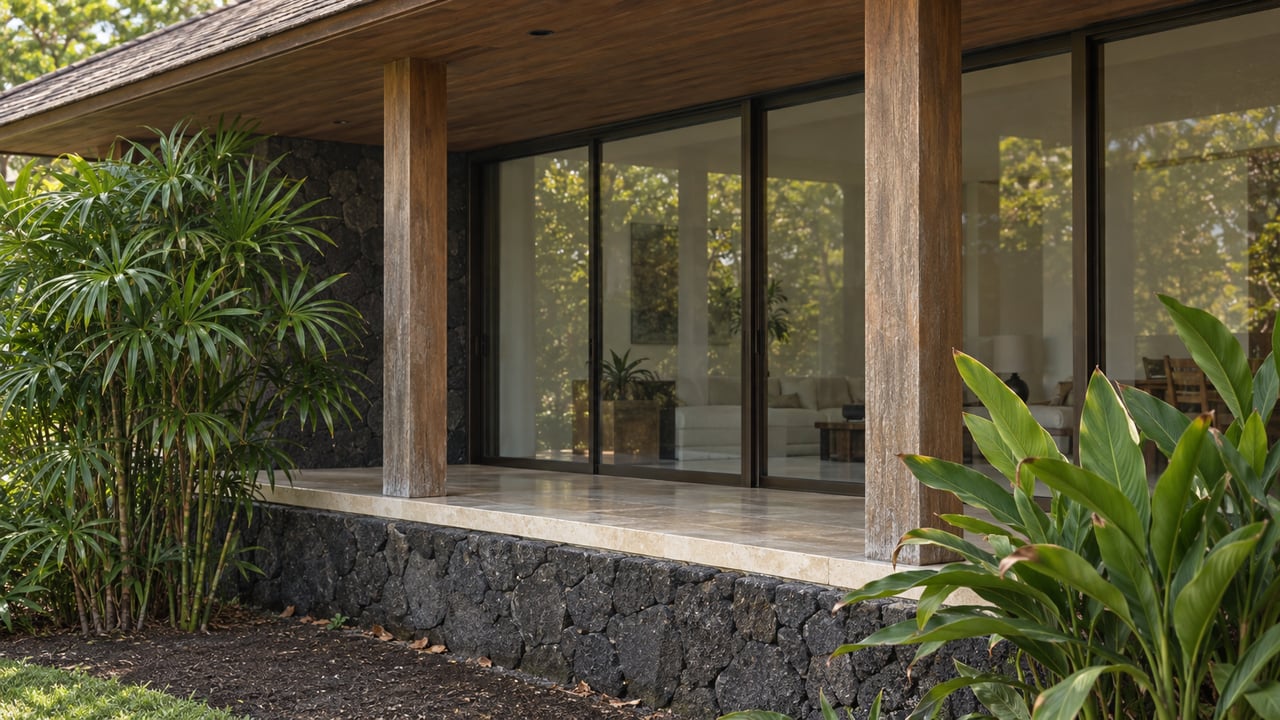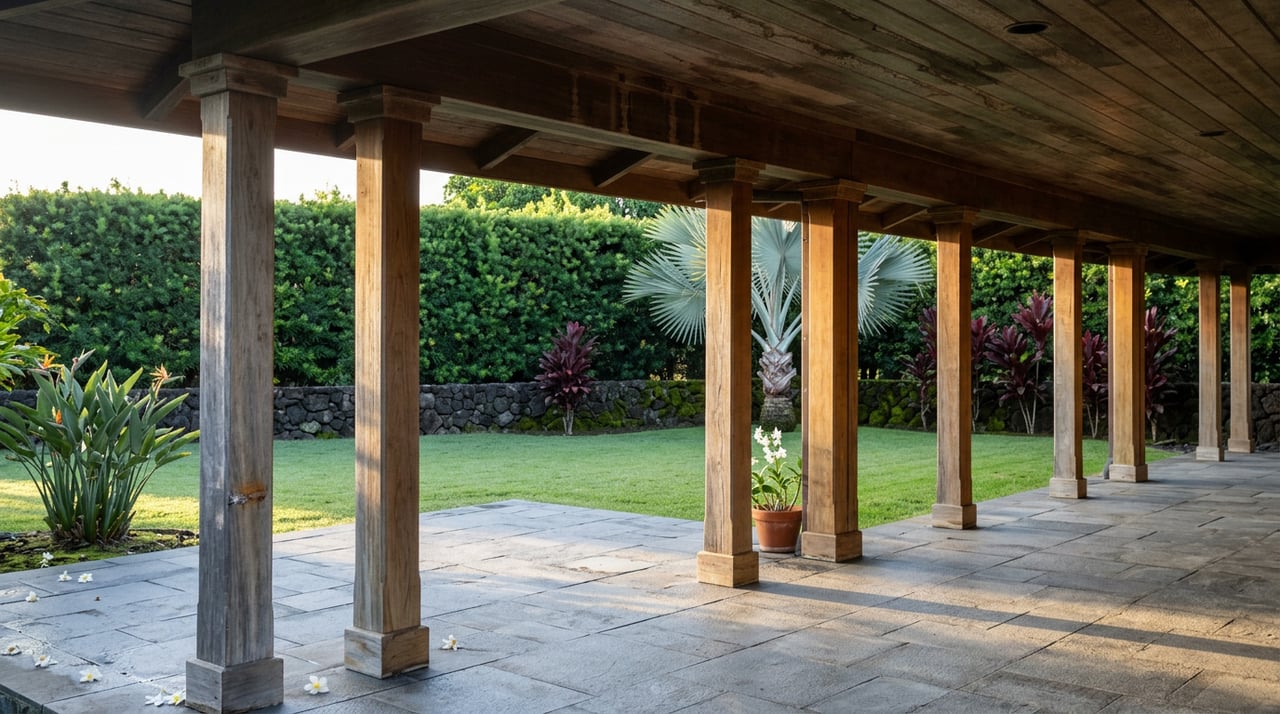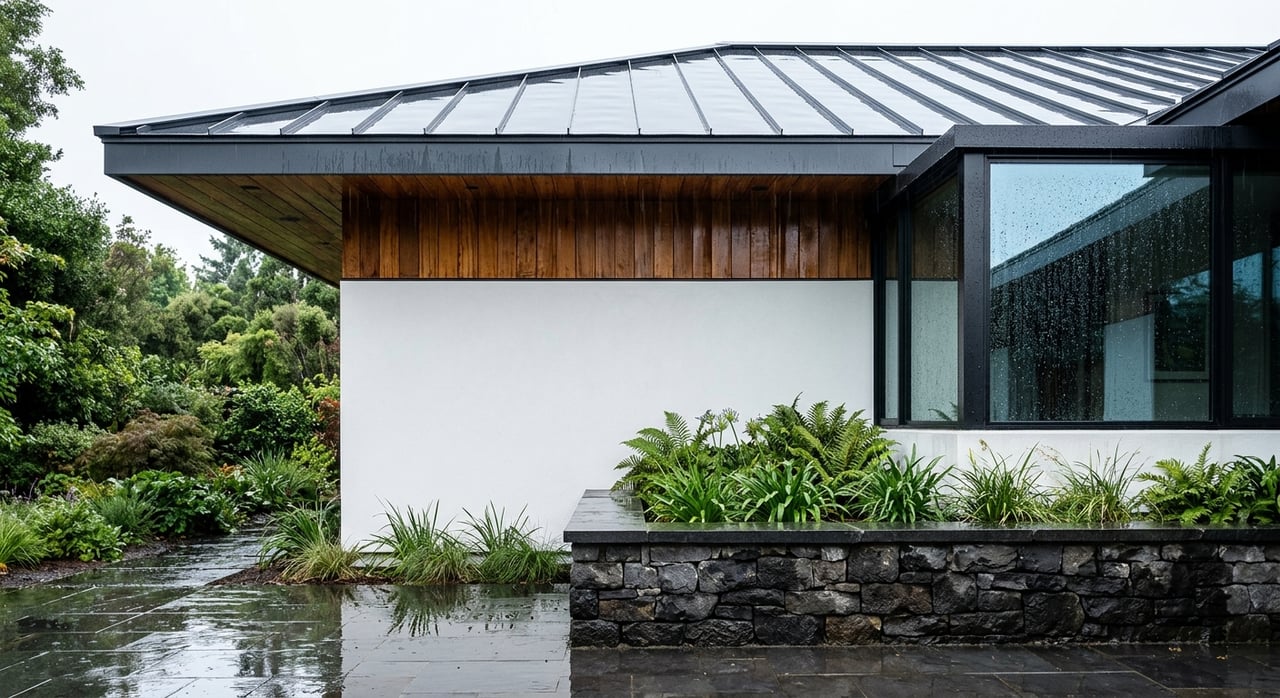
Thinking about Hilo because it feels greener, calmer, and more grounded than the sunnier side of the island? That instinct is not wrong, but rainy-side living comes with real day-to-day tradeoffs you should understand before you buy. If you are comparing Hilo with Kona or just trying to picture what life would actually feel like here, this guide will walk you through the weather, home upkeep, commuting, and local rhythm so you can decide if Hilo fits the life you want. Let’s dive in.
Hilo weather shapes daily life
The biggest lifestyle difference in Hilo is simple: rain is part of the routine. Hilo sits on the windward side of Hawaiʻi Island, where the trade winds bring moist air that rises, cools, and drops more rain. That windward pattern is why Hilo feels so different from drier leeward areas like Kona.
The numbers make the contrast clear. NOAA climate normals show Hilo International Airport averaging 120.39 inches of rain per year, with about 273 days each year that have measurable precipitation. By comparison, Kailua Kona Ke-Ahole Airport averages 9.87 inches of annual precipitation and about 50.4 days with measurable rain.
Temperatures are also a little different. Hilo’s mean temperature is 74.0°F, while Kona’s is 78.2°F based on the same NOAA normals. So if you are expecting a classic sunny resort climate every day, Hilo may feel cooler, wetter, and softer around the edges than you imagined.
What that means for your routine
In Hilo, rain is often less about dramatic storms and more about steady moisture in the background of daily life. You may plan errands with showers in mind, keep rain gear handy, and think more about airflow at home than you would in a drier part of the island.
For many buyers, that tradeoff is worth it. The wetter climate supports the lush landscape that makes Hilo feel vibrant and alive. If you love greenery and do not mind a less sun-driven daily rhythm, Hilo can feel deeply comfortable.
Hilo homes need moisture awareness
If you are considering buying in Hilo, one of the most important mindset shifts is this: moisture management matters. The Hawaiʻi State Department of Health says the key to mold control is moisture control. Its guidance recommends keeping indoor humidity below 60% relative humidity, venting bathrooms and dryers to the exterior, and using fans, air conditioners, or dehumidifiers when needed.
The same guidance notes that mold can begin growing within 24 to 48 hours after a water problem. If porous materials cannot be cleaned and dried in that time, they may need to be discarded. In a damp climate, that means small issues can become larger ones quickly if they are ignored.
What buyers should pay close attention to
When you tour homes in Hilo, it helps to look at the property through a rainy-side lens. Practical details often matter just as much as layout or finishes.
Pay close attention to:
- Roof condition
- Drainage around the home
- Exterior paint and exterior wear
- Ventilation in bathrooms and interior spaces
- Signs of past water intrusion
- Crawlspaces or slab edges where moisture may collect
- Leaks or plumbing issues that could add indoor moisture
These are not reasons to avoid Hilo. They are simply part of buying smart in a wetter environment.
Moisture can affect pests too
Hilo’s climate can also affect pest risk. University of Hawaiʻi CTAHR guidance explains that dampwood termites live in wet, rotting wood, and subterranean termites can use soil moisture, leaks, and plumbing problems to reach wood structures.
That matters because excess moisture is not only a comfort issue. It can also become a maintenance and structural issue over time. If you are comparing homes, it is wise to notice how well a property has been cared for in areas where water tends to linger.
A practical way to think about upkeep
In Hilo, good homeownership often means staying ahead of moisture instead of reacting to it later. A home with solid drainage, good ventilation, and visible signs of consistent maintenance may offer a smoother ownership experience than one that looks great at first glance but shows hints of recurring dampness.
This is especially important for long-distance buyers who may be used to drier mainland conditions. What feels minor elsewhere can deserve closer attention in Hilo.
Hilo feels civic and community-centered
Hilo is not just the rainy side of the island. It is also a real town with a strong civic identity. The 2020 Census lists Hilo CDP with 44,186 residents and a population density of 824.0 people per square mile.
GoHawaii describes downtown Hilo as built around its crescent-shaped bay and notes that Hilo serves as the seat of county government. That helps explain why Hilo often feels less like a resort zone and more like a community where people live, work, study, and move through everyday routines.
What local life can feel like
Hilo’s well-known places reflect that grounded character. GoHawaii highlights the Hilo Farmers Market, Liliʻuokalani Gardens, Wailuku River State Park, the Pacific Tsunami Museum, and the ʻImiloa Astronomy Center, along with shops, restaurants, museums, and art galleries.
Taken together, those places suggest a town shaped by local institutions, history, and regular daily life as much as by recreation. If you are looking for polished resort energy, Hilo may feel quiet. If you want a place that feels rooted and community-facing, that can be exactly the appeal.
Commuting in Hilo is often manageable
For many relocators, one pleasant surprise is that Hilo can be easier to navigate day to day than expected. The Census Bureau reports a mean travel time to work of 20.3 minutes. That supports the idea of a town where many errands, school trips, and commutes stay fairly local.
Transit is also more useful than some mainland buyers assume. Hele-On fixed routes operate seven days a week, primarily from 3:15 a.m. to 2:30 a.m. County service includes routes serving the University of Hawaiʻi at Hilo and Hawaiʻi Community College.
Hilo and Kona are connected, but different
Hele-On also lists Route 1 from Hilo to Kailua-Kona and Route 2, the Blue Line, via Saddle Road. So while the island’s two main population centers are linked, they still function very differently in everyday life.
If you are choosing between Hilo and Kona, this is a helpful reminder that climate is only part of the decision. Your ideal routine, driving patterns, and preferred pace matter too.
School areas depend on address
If school assignment is part of your move, it is important to verify details by property address. Hawaiʻi DOE says its SchoolSite Locator App can match a street address to the elementary, middle, and high schools serving that area, but it is for reference only and should be confirmed directly with the school.
Hawaiʻi’s public schools are organized into complex areas, which include a high school and feeder schools. In the Hilo area, public schools mentioned in official sources include Hilo High School, Waiākea High School, Hilo Intermediate, Keaukaha Elementary, Kaʻūmana Elementary, and Waiākea Elementary.
Why this matters when house hunting
Two homes in the same general area may not always align with the same school assignment expectations. If this is important to your household, it is smart to confirm the serving schools early in your search rather than later in escrow.
That kind of detail work can help your home search stay focused and realistic.
Hilo offers access to nature and culture
Hilo gives you close access to some of Hawaiʻi Island’s most recognized destinations. GoHawaii notes that Hilo is about 45 minutes south of Hawaiʻi Volcanoes National Park, making it a convenient stop for one of the island’s biggest natural landmarks.
In town, Wailuku River State Park, the Pacific Tsunami Museum, and the ʻImiloa Astronomy Center add more ways to connect with place through history, landscape, and culture. For many buyers, that mix is part of what makes Hilo feel rich and layered.
A car is still helpful
The National Park Service notes that Hele-On can drop off and pick up passengers near the Hawaiʻi Volcanoes National Park entrance, but there is no shuttle service inside the park. In other words, Hilo offers meaningful access, but a car is still useful for many outings and everyday flexibility.
That is worth keeping in mind if you are planning a relocation and trying to picture what daily transportation will really look like.
Air travel is a real lifestyle factor
If you travel often, airport access may matter almost as much as weather. The National Park Service notes that Hilo International Airport is served by Hawaiian Airlines and Southwest Airlines. It also notes that Ellison Onizuka Kona International Airport is served by many major airlines and inter-island carriers.
For some buyers, that difference is minor. For others, especially frequent mainland travelers or second-home owners, it can shape how convenient each side of the island feels over time.
Is rainy-side living right for you?
Hilo tends to work best for buyers who enjoy greenery, a community-centered setting, and easy access to rain-fed landscapes and local institutions. It may be less ideal if your top priority is dry weather, resort-style surroundings, or the sunniest possible daily routine.
That does not make Hilo better or worse than Kona. It simply means they offer different versions of island life. The right fit depends on what kind of place helps you feel most at home.
If you are weighing neighborhoods, comparing property types, or trying to understand how daily life would really feel before you make a move, local guidance can make that decision much clearer. E Komo Mai and connect with Cheree Rapozo for thoughtful, island-savvy guidance as you explore Hawaiʻi Island.
FAQs
What is the biggest lifestyle difference between Hilo and Kona?
- The biggest difference is climate. NOAA data shows Hilo is far wetter, with 120.39 inches of annual precipitation and about 273 days with measurable rain, while Kona averages 9.87 inches and about 50.4 rainy days.
What should buyers watch for in Hilo homes?
- In Hilo homes, you should pay close attention to roof condition, drainage, ventilation, exterior wear, crawlspaces or slab edges, leaks, and any signs of past water intrusion because moisture control is especially important in this climate.
How does Hilo’s climate affect home maintenance?
- Hilo’s damp climate can increase the need for mold prevention, ventilation, and prompt drying after water intrusion. The Hawaiʻi State Department of Health says mold can begin growing within 24 to 48 hours after water damage.
Are termites a concern for homes in Hilo?
- Moisture can increase termite risk in Hilo. University of Hawaiʻi CTAHR guidance says dampwood termites live in wet, rotting wood, and subterranean termites can use soil moisture, leaks, and plumbing issues to reach wood structures.
What is commuting like in Hilo?
- Hilo’s mean travel time to work is 20.3 minutes according to the Census Bureau, which suggests many daily trips stay relatively local.
Is public transit useful in Hilo?
- Yes. Hele-On fixed bus routes operate seven days a week, primarily from 3:15 a.m. to 2:30 a.m., and include service to the University of Hawaiʻi at Hilo, Hawaiʻi Community College, and routes connecting Hilo with Kailua-Kona.
How do school assignments work in Hilo?
- School assignments in Hilo depend on the property address. Hawaiʻi DOE says its SchoolSite Locator App can help identify serving schools, but assignments should be confirmed directly with the school.
Is Hilo convenient for visiting Hawaiʻi Volcanoes National Park?
- Yes. GoHawaii says Hilo is about 45 minutes from Hawaiʻi Volcanoes National Park, making it a practical home base for buyers who want regular access to that area.
How does Hilo airport access compare with Kona?
- Hilo International Airport is served by Hawaiian Airlines and Southwest Airlines, while Kona’s airport is served by many major airlines and inter-island carriers, which may matter if you travel frequently.
Who tends to like living in Hilo?
- Hilo often appeals to people who value greenery, a grounded community feel, local institutions, and a less resort-oriented pace of life.