Trying to choose between Kīlauea and Princeville on Kauaʻi’s North Shore? You are not alone. Both areas offer beautiful surroundings and a distinct sense of place, but they serve very different lifestyles. If you are weighing privacy, convenience, scenery, or vacation-rental flexibility, this guide will help you compare the two with more confidence. Let’s dive in.
Kīlauea vs. Princeville at a Glance
At a high level, Princeville is the more planned, amenity-rich community, while Kīlauea feels more rural and spread out.
According to Kauaʻi County planning materials, Princeville is the North Shore’s primary visitor destination, with an updated master plan, two full-service hotels, a shopping center, a library, connected bike and pedestrian paths, and extensive landscaping. The county also identifies Princeville as one of the island’s main Visitor Destination Areas, or VDAs. You can review that context in the county’s planning materials for the North Shore.
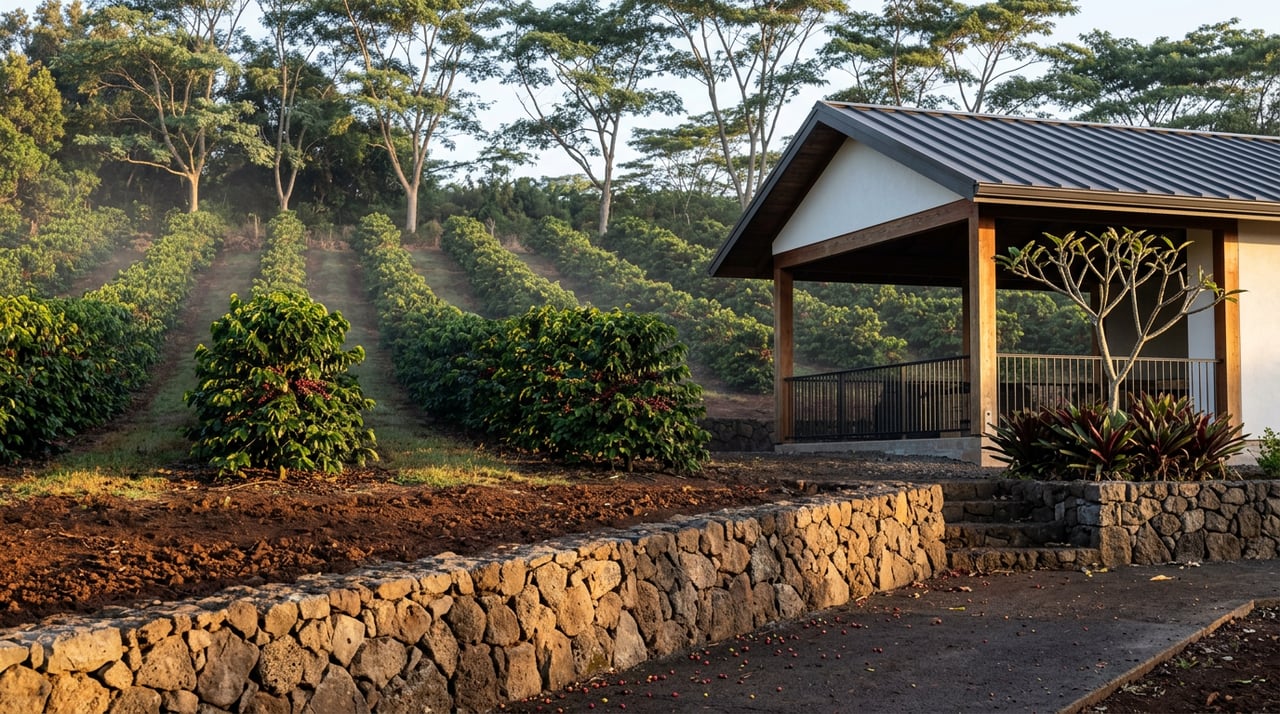
Kīlauea is described very differently in the county’s planning documents. The town is framed as rural, surrounded by agricultural land, with farms, stone plantation buildings, and residential areas protected from commercial and industrial development. The county’s Kīlauea Town Plan also notes that the town lacks some desired services and facilities.
Princeville: Convenience and Resort Appeal
If you want a North Shore home base with more built-in convenience, Princeville usually stands out first.
Princeville was designed as a master-planned community, and that shows in how it functions day to day. You have a more concentrated mix of housing, services, infrastructure, and visitor-oriented amenities. For many buyers, that means less driving for basics and a more streamlined experience, especially if this will be a second home or part-time residence.
The Princeville Center describes itself as the “Gateway to the North Shore” and includes shops, dining, banking, a post office, and other services. County transit also serves the shopping center and the Princeville library area, which adds another layer of convenience for getting around.
Why buyers choose Princeville
Buyers often lean toward Princeville when they want:
- A more established resort-residential setting
- Easier access to shops and everyday services
- Shared infrastructure like paths and landscaped common areas
- A straightforward base for exploring Hanalei, Hā‘ena, and nearby North Shore destinations
- Better alignment with vacation-rental goals, depending on the specific property
Kīlauea: Privacy and Country Feel
If your ideal North Shore retreat feels quieter, less structured, and more connected to agricultural surroundings, Kīlauea may be the better fit.
County planning materials describe Kīlauea as a rural town with a strong agricultural backdrop. That creates a very different experience from Princeville’s resort-oriented layout. Instead of a compact, amenity-dense environment, Kīlauea tends to appeal to buyers who want breathing room, a residential feel, and a setting shaped more by countryside patterns than by a master plan.
The county also identifies local community infrastructure in Kīlauea, including the Kīlauea Neighborhood Center, and the bus system includes a stop at Kīlauea Food Mart. Still, the overall planning picture remains more rural, with fewer services than Princeville.
Why buyers choose Kīlauea
Kīlauea often appeals to buyers looking for:
- More privacy and separation from resort activity
- Agricultural or country-style surroundings
- A quieter residential atmosphere
- A lifestyle less centered on tourism infrastructure
- A scenic setting focused on cliffs, open space, and wildlife viewing
Lot Size and Overall Feel
One of the biggest practical differences between these two areas is how the land is typically organized.
Kauaʻi County’s parcel build-out guides show that smaller-lot residential zoning is measured in square feet, while agricultural and rural-open parcels are measured in acres. For example, the county’s zoning benchmarks note that R-6 lots begin below 11,980 square feet, while agricultural thresholds begin below 4 acres and rural-open thresholds begin below 3 acres. That framework helps explain why Princeville often feels more compact and why Kīlauea often feels more spread out.
This does not mean every parcel follows the same pattern, but it does support the broader lifestyle contrast. Princeville generally reads as a planned residential community with shared infrastructure, while Kīlauea more often reads as a privacy-oriented option with larger buffers and a countryside feel. For parcel-specific accuracy, the county notes on its zoning maps page that digital maps are for general reference and that final zoning confirmation requires official verification.
Views and Outdoor Access
Scenery matters on the North Shore, and these two areas offer very different visual experiences.
Princeville is best known for expansive valley and bay outlooks. The U.S. Fish & Wildlife Service says the Hanalei National Wildlife Refuge viewpoint, located in Princeville along Kūhiō Highway, provides views of the greater Hanalei Valley and Bay, the refuge, and Halele‘a Forest Reserve. For many buyers, that iconic overlook captures what draws them to Princeville in the first place.
Princeville also sits within the broader North Shore beach corridor. Kauaʻi County includes Anini Beach Park in its park system, and Princeville serves as a convenient jumping-off point for Hanalei and Hā‘ena.
Kīlauea’s scenic identity is more rugged and dramatic. The U.S. Fish & Wildlife Service says Kīlauea Point National Wildlife Refuge stands roughly 180 to 200 feet above sea level and is known for ocean wildlife viewing rather than beach access. If you are drawn to lighthouse views, cliffs, seabirds, and open ocean scenery, Kīlauea offers a different kind of North Shore beauty.
Best fit by scenery
- Choose Princeville if you are drawn to valley, bay, and beach-corridor access.
- Choose Kīlauea if you prefer cliffside scenery, lighthouse character, and wildlife-focused views.
Vacation Rental Potential
For many second-home buyers and investors, this is one of the most important sections.
Kauaʻi County states that short-term rentals under 180 days outside the Visitor Destination Area are not permitted and cannot be applied for, and the county maintains an approved list for legal verification. Because Princeville is identified by the county as one of the island’s main VDAs, it is generally the more straightforward North Shore option for buyers who want vacation-rental utility. You can review the county’s Transient Vacation Rentals guidance.
That said, legality depends on the specific parcel and its county records, so this is never something to assume based on area alone. In more rural or agricultural settings, the county’s parcel guidance aligns less with transient rental use. That is one reason Kīlauea is often a stronger lifestyle match for buyers prioritizing privacy and residential use over visitor accommodations.
Day-to-Day Living Differences
Beyond views and zoning, your daily rhythm may be what ultimately decides this comparison.
Princeville tends to support an easier lock-and-leave lifestyle. If you are coming from the mainland part-time, want amenities nearby, or prefer a more structured community environment, Princeville offers a practical setup that many second-home owners appreciate.
Kīlauea tends to feel more local in pattern and more rural in pace. If you want a home environment that feels less resort-driven and more grounded in open land and residential calm, Kīlauea may align better with how you want to live.
Which North Shore Retreat Is Right for You?
If you are deciding between the two, start by being honest about how you want your property to function.
Choose Princeville if your priorities include convenience, a more amenity-rich base, proximity to North Shore visitor destinations, and stronger vacation-rental potential subject to parcel verification. Choose Kīlauea if your priorities include privacy, agricultural surroundings, a quieter residential setting, and a more rural North Shore experience.
Neither choice is universally better. The better choice is the one that fits your lifestyle, your goals, and how you want to experience Kauaʻi over time.
If you want help comparing specific neighborhoods, zoning context, or property opportunities on the North Shore, Cheree Rapozo can help you narrow the options with practical local guidance and a thoughtful, full-service approach. E Komo Mai — Let’s find your Hawai‘i home.
FAQs
What is the main difference between Kīlauea and Princeville on Kauaʻi’s North Shore?
- Princeville is a planned, resort-oriented community with more amenities and services, while Kīlauea is a more rural town surrounded by agricultural land with a quieter residential feel.
Is Princeville or Kīlauea better for vacation rental use?
- Princeville is generally the more straightforward option because it is within a county-identified Visitor Destination Area, but you should always verify the legal status of the specific parcel through county records.
Does Kīlauea or Princeville offer more privacy for homebuyers?
- Kīlauea typically offers a more spread-out feel and greater privacy due to its rural and agricultural setting, while Princeville is generally more compact and amenity-dense.
What kind of views can you expect in Princeville on Kauaʻi?
- Princeville is known for Hanalei Valley and bay views, along with convenient access to the broader North Shore beach corridor.
What kind of scenery defines Kīlauea on Kauaʻi’s North Shore?
- Kīlauea is known for dramatic cliffside scenery, lighthouse character, and ocean wildlife viewing centered around Kīlauea Point.
Which area is better for everyday convenience, Kīlauea or Princeville?
- Princeville generally offers more day-to-day convenience because it has a shopping center, library, transit access, and other nearby services.