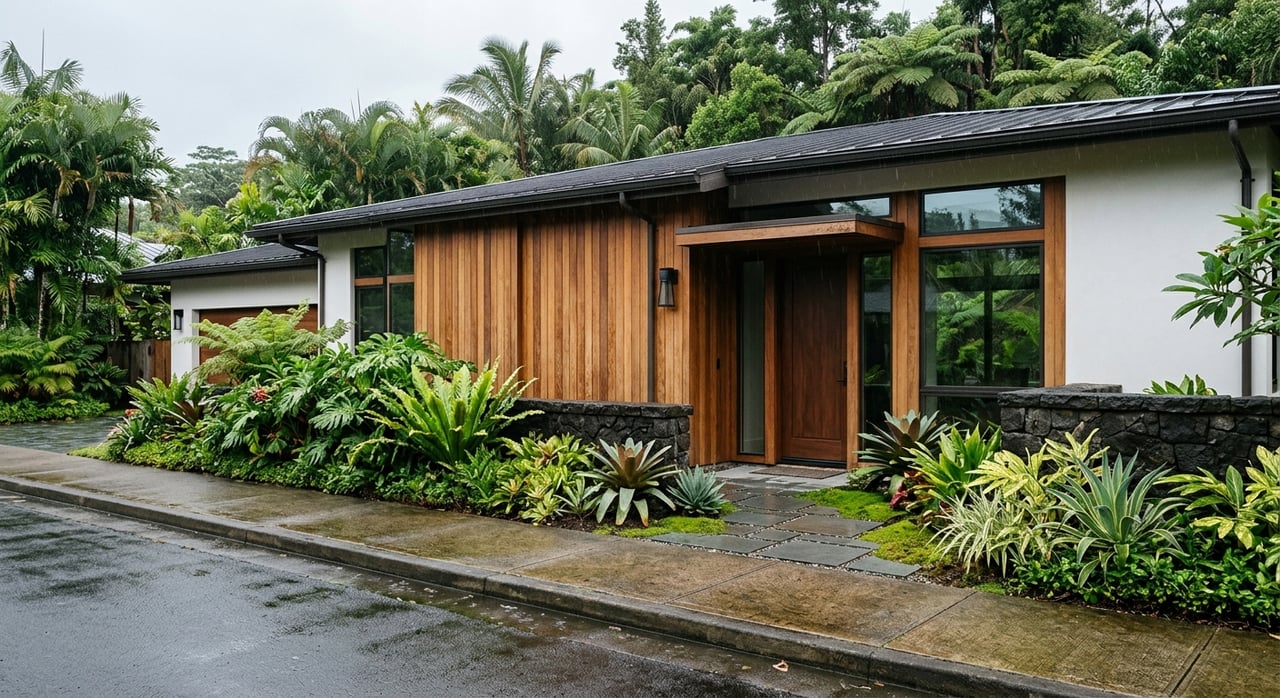
Looking for a part of Kaua‘i that feels a little cooler, a little greener, and a little more residential than the coast? Kalaheo often stands out for exactly that reason. If you are exploring South Shore living and want a better feel for how this upcountry community fits into the bigger picture, this guide will help you understand its setting, lifestyle, and housing character. Let’s dive in.
Kalaheo’s Place in South Kaua‘i
Kalaheo plays a distinct role in the South Kaua‘i housing mix. According to the South Kaua‘i Community Plan, the region includes several different communities, with limited growth directed toward Kalāheo, Kōloa, and Poʻipū.
That same plan describes Kalāheo as primarily a residential community, supported by a neighborhood-scale commercial center and small local businesses. In contrast, Poʻipū is identified as the resort destination, while Kōloa serves as the historic commercial and residential town core. For you as a buyer, that difference matters because it helps explain why Kalaheo feels more rooted in everyday residential living.
Why Kalaheo Feels Different
One of the first things many people notice about Kalaheo is that it does not feel exactly like the coast. NOAA explains that temperatures in Hawaiʻi generally drop about 3 degrees for every 1,000 feet of elevation, and a precipitation atlas places a Kalaheo station at 750 feet elevation.
In practical terms, that helps explain why Kalaheo often feels cooler and greener than lower coastal areas nearby. You are still connected to South Shore life, but the physical setting can create a different day-to-day experience.
Upcountry Setting
Kalaheo’s upcountry location gives it a hillside character that many buyers appreciate. The county planning language notes that homes dot the hillsides mauka of town and around Kukuiolono Park.
That setting also reflects the area’s larger landscape history. South Kaua‘i includes deep pre-contact and plantation-era layers, and former McBryde Sugar lands once stretched through ʻEleʻele, Wahiawa, Kalāheo, Lāwaʻi, and western Kōloa. Today, that history still shows up in the mix of residential areas, agricultural land, and town centers.
What the Housing Pattern Looks Like
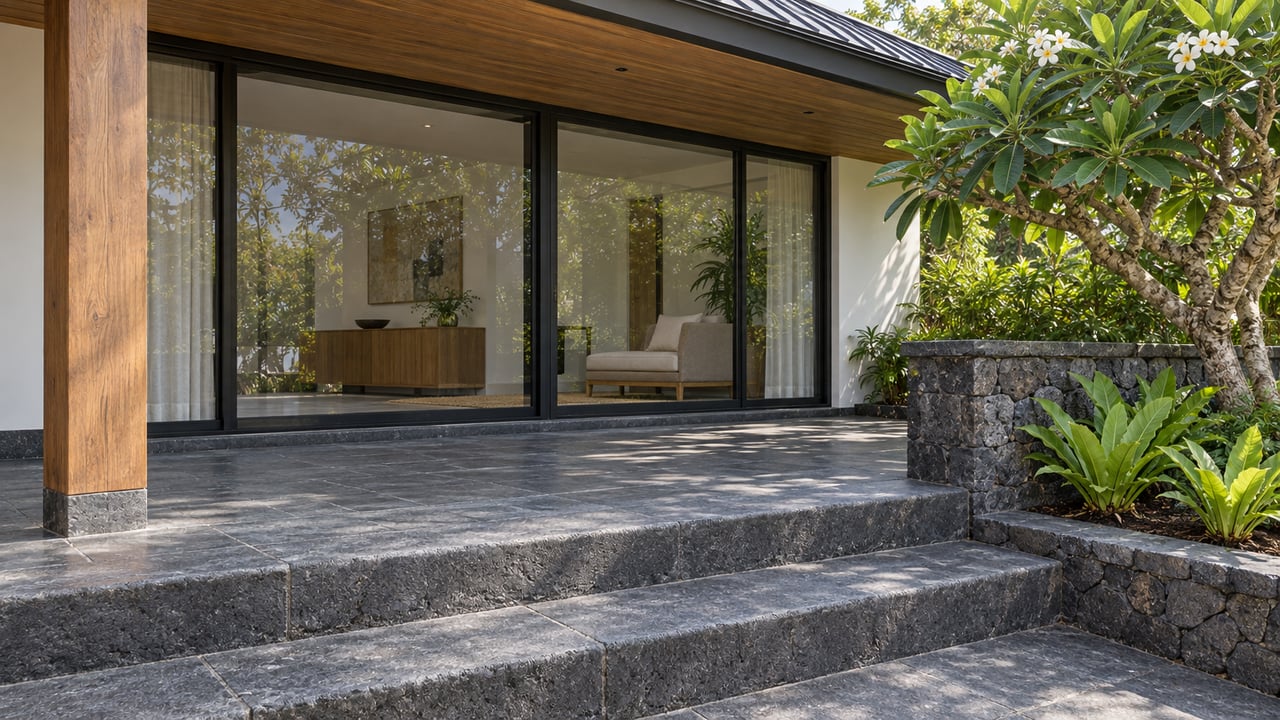
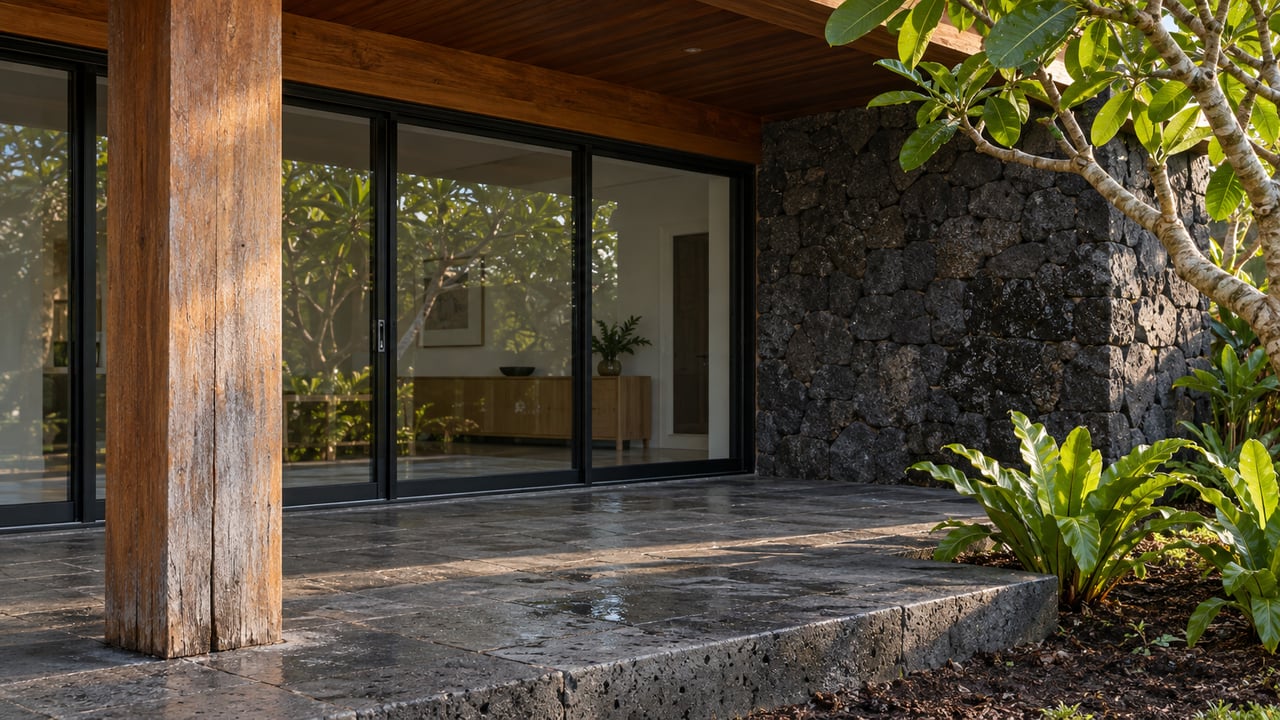
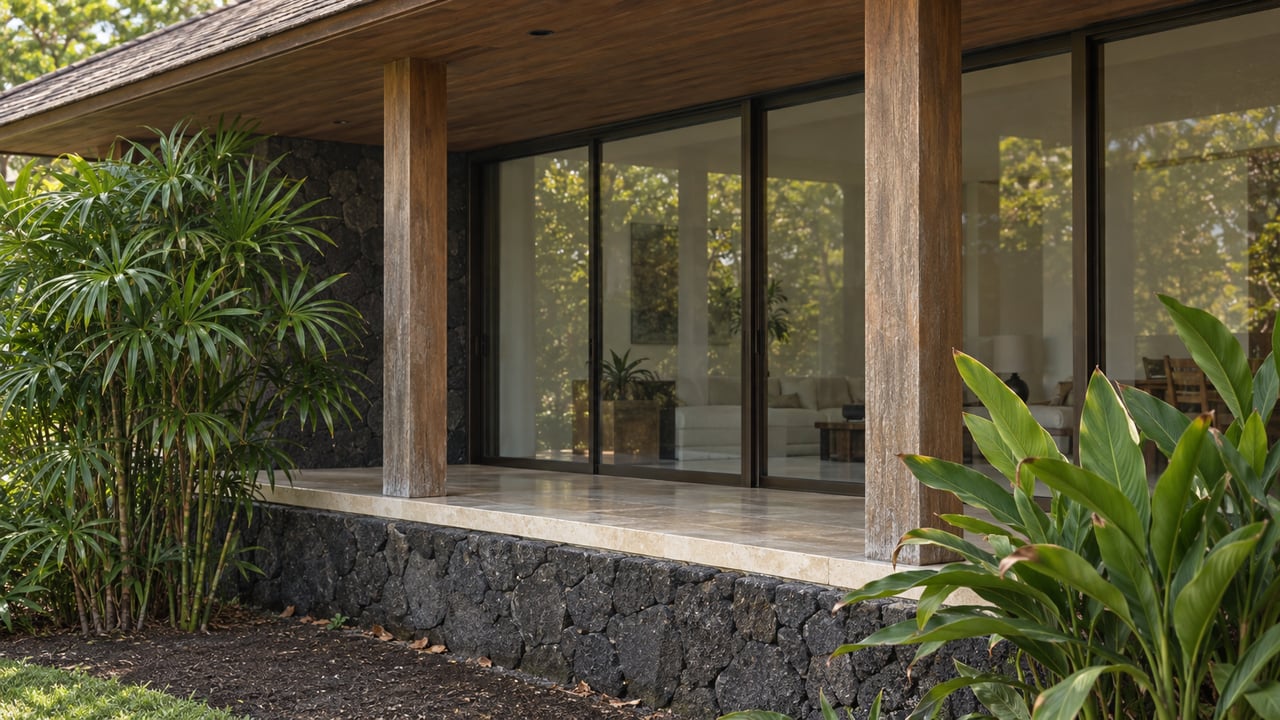
If you are comparing neighborhoods, Kalaheo is best understood as a largely single-family, rural-residential area rather than a resort-condo environment. County planning documents describe South Kaua‘i as a pattern of low-rise, small-scale rural centers and residential communities surrounded by agricultural lands and open space.
The same county materials note that homestead and agricultural subdivisions created in the 1970s and 1980s in Kalaheo are being built out. That gives the community a lived-in, residential feel that is different from areas shaped mainly by visitor accommodations.
A More Residential Rhythm
For many buyers, Kalaheo’s appeal comes from that quieter rhythm. It is part of South Kaua‘i, but it is not positioned as a resort district in the county’s planning framework.
That can be especially helpful if you want a home base that feels connected to daily life. Whether you are relocating full-time, looking for a second home, or simply narrowing down your options, Kalaheo offers a different kind of South Shore experience.
Daily Life in Kalaheo
Kalaheo’s amenity base is modest, but it is very local. That can be a big part of the charm if you value a community where daily stops feel familiar and close to home.
Kalaheo Café & Coffee Co. describes itself as an upcountry café in the lush mountains of Kalaheo and says it has been a local favorite since 1994. Kauai Coffee’s visitor center and gift shop are also located in Kalaheo at 870 Halewili Road, where the estate offers free self-guided tours and describes itself as the largest coffee farm in the United States.
Parks and Recreation
Kukuiolono Park adds another layer to Kalaheo’s character. The park is described as a hidden gem with walking paths, Japanese gardens, and a 9-hole golf course.
For buyers trying to picture everyday life, amenities like this matter. They help show that Kalaheo is not only about where you live, but also how you spend a regular morning or weekend close to home.
Getting Around From Kalaheo
Location is often about more than distance alone. It is also about how easily you can move between home, errands, recreation, and the rest of the island.
The county bus system gives Kalaheo practical connections within South Kaua‘i. Route 30 runs from Kalaheo Neighborhood Center to Poipu Road and Kiahuna Drive in about 25 minutes, while Route 200 serves Kalaheo Neighborhood Center on the Lihue-Kekaha mainline.
Close to Poʻipū and Līhuʻe
For drivers, Kalaheo is close enough to key South Shore and East Side destinations to make day-to-day routines manageable. A local lodging source describes Poʻipū Beach as about a 15-minute drive south from Kalaheo.
Travel references also place Līhuʻe to Kalaheo at about 22 to 26 minutes by car, depending on the starting point used. Put together, those references support a common buyer takeaway: Kalaheo is near both Poʻipū and Līhuʻe, but not right in the middle of their visitor traffic.
Who Kalaheo May Appeal To
Kalaheo can make sense for buyers who want South Shore access but prefer a more residential setting. If you like the idea of being near beaches, shopping, and town services without living in a resort-focused area, this community may be worth a closer look.
It can also appeal to buyers who enjoy a greener hillside setting and a lower-key neighborhood feel. Because the county frames Kalaheo as a residential community with small local businesses, it often stands out for people who want South Kaua‘i living with a more upcountry pace.
Good Questions to Ask Yourself
If Kalaheo is on your shortlist, here are a few practical questions to consider:
- Do you want a primarily residential community rather than a resort-centered area?
- Would a cooler, greener upcountry setting suit your lifestyle?
- How important is quick driving access to Poʻipū, Kōloa, or Līhuʻe?
- Are you looking for mostly single-family and rural-residential surroundings?
- Do small local businesses, coffee spots, and park access matter in your daily routine?
Why Local Guidance Matters
Even when a community seems straightforward on paper, the feel of place is what usually shapes the right decision. In Kalaheo, that means understanding how elevation, housing patterns, surrounding land uses, and access points come together in real life.
That is especially important if you are relocating from off-island or comparing several Kaua‘i neighborhoods at once. A local guide can help you move beyond broad impressions and focus on the details that fit your goals, whether you are looking for a primary home, second home, vacant land opportunity, or a property with long-term potential.
E Komo Mai. If you are thinking about buying or selling on Kaua‘i and want a clearer picture of Kalaheo and the South Shore market, connect with Cheree Rapozo for thoughtful, local guidance.
FAQs
What is Kalaheo known for in South Kaua‘i?
- Kalaheo is known as a primarily residential upcountry community in South Kaua‘i, with small local businesses, hillside homes, agricultural surroundings, and close access to both Poʻipū and Līhuʻe.
How is Kalaheo different from Poʻipū and Kōloa?
- County planning documents describe Kalāheo as residential, Poʻipū as the resort destination, and Kōloa as the historic commercial and residential town center.
What kind of homes are common in Kalaheo?
- Research and county planning language point to a mostly single-family, rural-residential housing pattern rather than a resort-condo setting.
Does Kalaheo feel cooler than the coast?
- Yes. NOAA references help explain why Kalaheo often feels cooler than coastal areas, since the community sits at a higher elevation and Hawaiʻi temperatures generally decrease with elevation.
How far is Kalaheo from Poʻipū Beach?
- A local source describes Poʻipū Beach as about a 15-minute drive south from Kalaheo.
Is Kalaheo convenient for getting to Līhuʻe?
- Yes. Travel references place the drive from Līhuʻe to Kalaheo at about 22 to 26 minutes, depending on the starting point.
What are some everyday amenities in Kalaheo?
- Kalaheo offers local favorites such as Kalaheo Café & Coffee Co., the Kauai Coffee visitor center, and Kukuiolono Park with walking paths, gardens, and a 9-hole golf course.
Is there bus service in Kalaheo?
- Yes. The county bus system serves Kalaheo Neighborhood Center, including Route 30 to the Poʻipū area and Route 200 on the Lihue-Kekaha mainline.