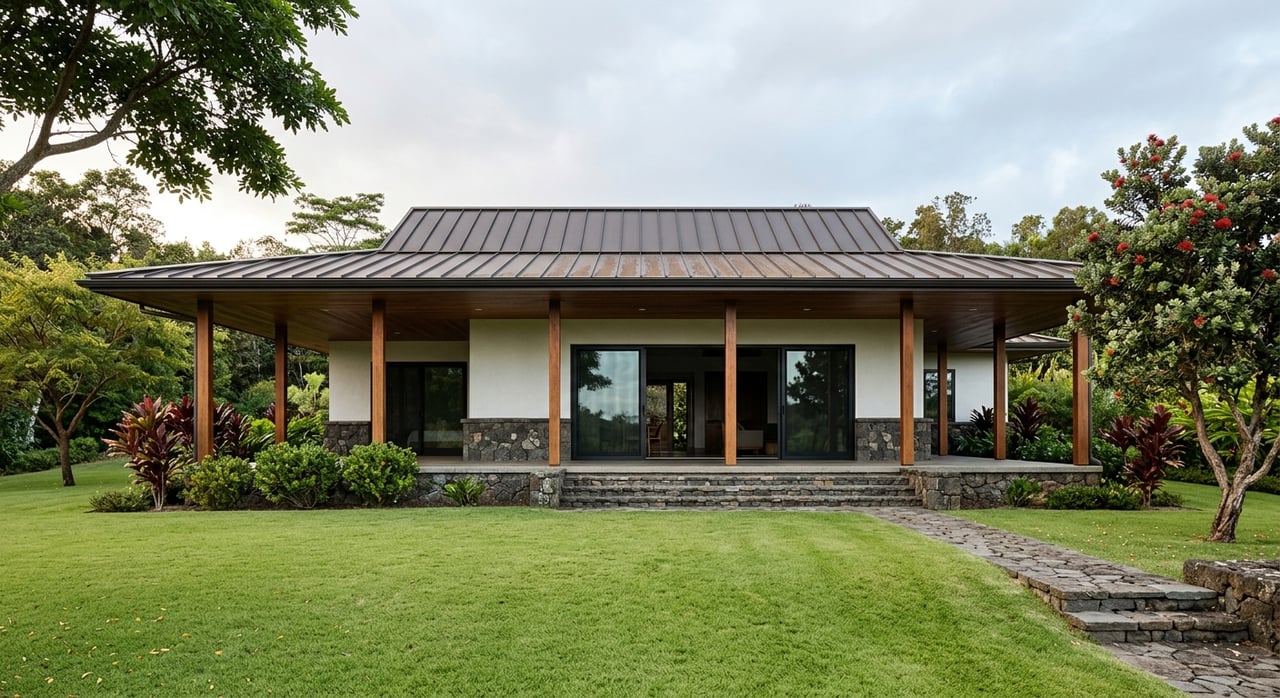
If you picture the Kohala side of Hawaiʻi Island as one uniform lifestyle, Waimea quickly changes that idea. A short drive can take you from cooler upland ranch country to warm, dry coastal terrain, and that shift matters when you are deciding where and how you want to live. If you are exploring Waimea and the Kohala districts, understanding microclimate, land patterns, and day-to-day practicalities can help you buy with far more confidence. Let’s dive in.
Why Waimea Feels So Different
Waimea sits in the inland, upcountry part of South Kohala at about 2,762 feet in elevation. That elevation is a major reason it feels different from the Kohala resort areas and shoreline communities below. You are not just choosing a home here. You are choosing a climate, pace, and setting.
County and climate references describe Waimea as part of a temperate upland setting, while parts of the Kohala Coast and Puakō area are much drier and warmer. In practical terms, that can mean cooler mornings and evenings in Waimea, more wind exposure, and noticeable weather changes as you move mauka to makai. For many buyers, this is the first big lifestyle divide to understand.
Waimea-Kohala Is A Microclimate Market
One of the most important things to know about Waimea-Kohala real estate is that nearby properties can feel completely different in daily life. In South Kohala planning materials, the Waimea area is described as averaging about 20 to 80 inches of annual rainfall, with average daily highs around 75°F and lows around 60°F. Waikoloa, by comparison, is described at roughly 10 to 15 inches of annual rainfall, with highs from 77°F to 85°F and lows from 65°F to 70°F.
That spread helps explain why one buyer may love an upcountry property for its cooler air and open green surroundings, while another may prefer the warmth and dryness of the coast. It also means that photos and listing descriptions only tell part of the story. In this part of Hawaiʻi Island, the feel of a property is closely tied to elevation, wind, and rainfall.
What That Means For Daily Living
If you are considering an upcountry home, expect your routine to reflect the setting. Mornings and evenings may feel cooler than what many visitors expect from Hawaiʻi, and weather can shift quickly over short distances. Wind can also be more of a factor than buyers anticipate when they first focus only on views or lot size.
That is why lifestyle fit matters as much as the house itself. A home that looks ideal on paper may feel very different once you spend time in the area at different times of day. In Waimea and Kohala, local guidance can help you read beyond the listing and understand how the location really lives.
The Appeal Of Upcountry Living
Waimea has long been shaped by ranching, open land, and a strong sense of place. Parker Ranch traces its Waimea roots back to 1847, and its ongoing community presence helps keep paniolo culture visible through events such as annual rodeos, horse races, and the Waimea Cherry Blossom Heritage Festival. That heritage still influences the landscape and the character of the area today.
For many buyers, this is the heart of upcountry appeal. You may be drawn to open views, a little more breathing room, and a setting that feels more rural than resort-oriented. Rather than a coastal vacation atmosphere, Waimea often offers a grounded, lived-in sense of community and land stewardship.
A Rural Feel With Practical Services
Upcountry does not mean disconnected. Waimea functions as a practical service hub for the region, with a County Waimea Council District Office and transit connections through Hele-On service, including a Waimea circulator and Route 75 linking North Kohala, Waimea, South Kohala resorts, and Kailua-Kona.
That balance is part of what makes Waimea appealing. You can enjoy a more inland, country setting while still being connected to regional services and routes. For buyers relocating from out of area, this is an important part of the decision, especially if you want a home base that feels scenic but still functional.
Property Types You May Find
The Waimea-Kohala area is not defined by one property style. County analysis notes that 58.3% of South Kohala land is undeveloped at the parcel level, which helps explain why the region can include a wide mix of housing patterns and parcel sizes. Depending on the location, you may find in-town homes, larger rural parcels, ranchette-style acreage, and estate properties with more open space.
That variety creates opportunity, but it also means your search needs to be specific. Two homes with similar square footage may offer very different experiences if one sits in town and another sits on a larger parcel with longer drive access, more wind exposure, and broader view corridors. In Waimea-Kohala, land often shapes the value proposition as much as the structure itself.
Why Open Space Matters
Buyers often come to Waimea looking for room to spread out. Open land can bring privacy, views, and a stronger sense of separation from neighboring properties. It can also mean more systems, more site-specific due diligence, and more questions about access and utilities.
This is especially true when you move beyond traditional neighborhood patterns. If you are considering acreage or an estate-style property, it helps to think beyond finishes and floor plan. The land itself becomes part of your daily living experience and part of your ownership responsibilities.
Coastal Versus Upcountry: A Useful Comparison
Some buyers start their search assuming the coast is the obvious choice. But South Kohala shoreline conditions are an important reminder that coastal living is not always simple beach living. County shoreline guidance notes that South Kohala access can be rocky, exposed to seasonal high surf, and subject to strong currents and hazardous footing.
That does not lessen the appeal of coastal property. It simply underscores that inland and coastal homes deliver different lifestyles, not a better-or-worse hierarchy. For some buyers, Waimea’s cooler climate and rural setting may fit better than the exposure and conditions common along parts of the shoreline.
| Lifestyle Factor | Waimea Upcountry | Kohala Coast Areas |
|---|---|---|
| Climate | Cooler, temperate upland feel | Warmer, drier, more arid |
| Setting | Ranch country, inland, open space | Coastal, resort-oriented in some areas |
| Weather Pattern | More wind and faster shifts | Hotter and generally drier |
| Property Mix | In-town homes, acreage, estates | Coastal residences, resort-adjacent homes |
| Key Buyer Focus | Elevation, rainfall, utilities, access | Shoreline exposure, access, surf conditions |
Cultural Context Matters Here
Waimea-Kohala is not just scenic. It is part of a culturally significant landscape. County planning documents describe the Kohala coastline as one of the most intact cultural landscapes in Hawaiʻi, with heritage resources that include heiau and koʻa. On the South Kohala coast, Puʻukoholā Heiau National Historic Site in Kawaihae preserves a place tied to Kamehameha I and the unification of the Hawaiian Islands.
For buyers, this context matters. It is a reminder to approach the area with respect and to understand that land here carries history beyond what appears in a listing. A thoughtful home search in Waimea-Kohala is about more than finding a beautiful setting. It is also about appreciating the place you are entering.
Due Diligence For Waimea-Kohala Buyers
In any market, due diligence matters. In Waimea-Kohala, it becomes especially important because climate, land, and infrastructure can vary so much from one property to the next. If you are considering a larger parcel or rural property, you should verify details early rather than assume services match what you may be used to in a more urban setting.
County planning and water contingency documents make clear that water availability can be a limiting factor in growing areas. They also note that Waikoloa and Waimea rely on shared aquifer and utility systems, which reinforces the need to confirm water source, utility capacity, and backup assumptions for a specific property.
Smart Questions To Ask
As you narrow your search, focus on property-specific questions such as:
- What is the elevation, and how does that affect daily temperature and wind?
- How much rainfall does this area typically receive?
- What is the water source for the property?
- What utility services are available, and are there any limitations?
- How does access change in different weather conditions?
- If the property is coastal, what are the shoreline conditions nearby?
These are not small details in Waimea-Kohala. They are part of how you evaluate value, comfort, and long-term fit.
Why Local Guidance Makes A Difference
Because Waimea-Kohala is such a location-sensitive market, local context can save you time and help you avoid costly assumptions. A property that looks perfect online may sit in a microclimate or infrastructure setting that changes how practical it is for your goals. That is especially true for relocators, second-home buyers, and anyone comparing upland and coastal options from afar.
With a market like this, it helps to work with someone who can connect the dots between lifestyle, land, and transaction details. Whether you are searching for an in-town home, a multi-acre country property, vacant land, or a second-home opportunity, a grounded local perspective can make your decision much clearer.
Waimea-Kohala offers something rare on Hawaiʻi Island: meaningful variety within a compact area. If you are drawn to cooler air, ranch-country character, open space, and a strong sense of place, upcountry living may be exactly what you are looking for. And if you want help exploring the differences between Waimea, Kohala, and the coast, Cheree Rapozo is here to guide you with local insight, thoughtful service, and a full-picture approach to Hawaiʻi real estate.
FAQs
What makes Waimea real estate different from coastal South Kohala real estate?
- Waimea sits at a higher elevation in a temperate upland setting, so it is generally cooler and can feel much different from the warmer, drier coastal areas of South Kohala.
What should buyers know about Waimea-Kohala microclimates?
- Buyers should know that rainfall, temperature, and wind can vary significantly over short distances, so two properties in the same broader area may offer very different daily living experiences.
What types of properties are common in Waimea-Kohala?
- The area can include in-town homes, rural parcels, ranchette-style acreage, estate properties, vacant land, and some resort-adjacent options depending on the exact location.
Why is due diligence important for Waimea and Kohala properties?
- Due diligence is especially important because water source, utility capacity, access, elevation, rainfall, and shoreline conditions can vary widely and affect how a property functions.
Is Waimea a practical place to live full time on Hawaiʻi Island?
- Waimea serves as a regional hub with county services and transit connections, which supports its role as a functional upcountry center as well as a scenic place to live.
Why does cultural context matter when buying in Kohala?
- Cultural context matters because Kohala includes historically significant landscapes and heritage resources, so buyers should approach the area with respect and awareness of its deeper history.