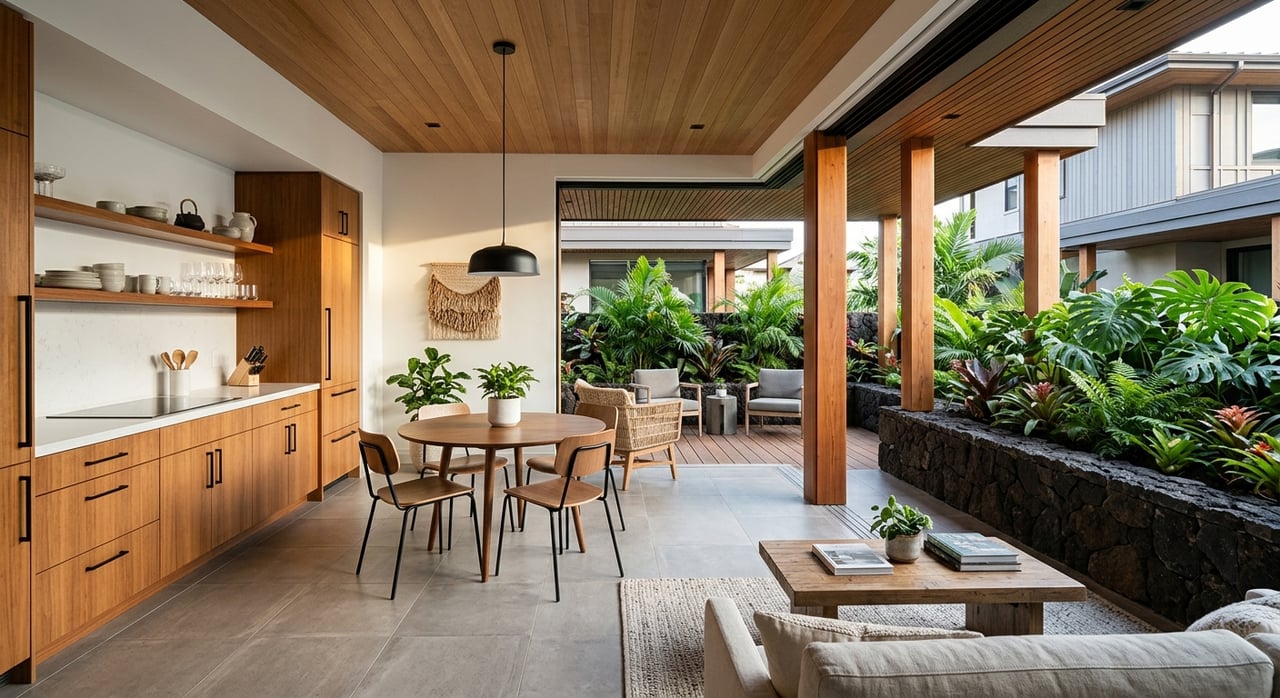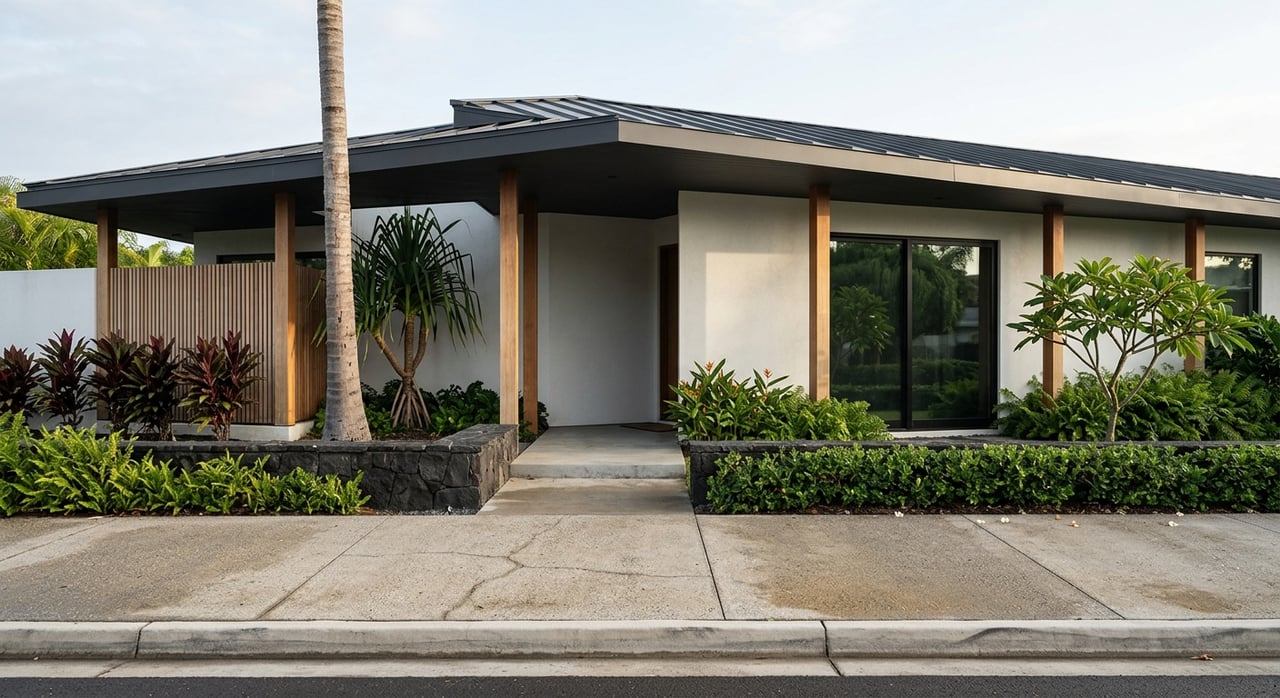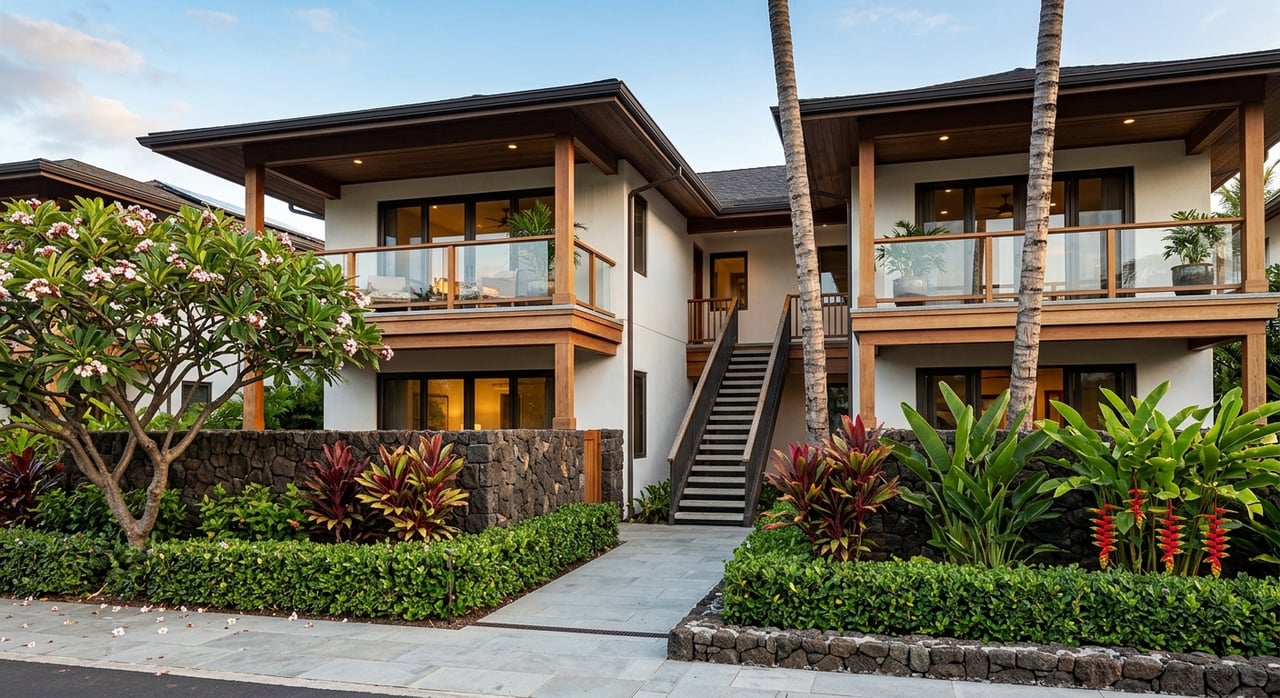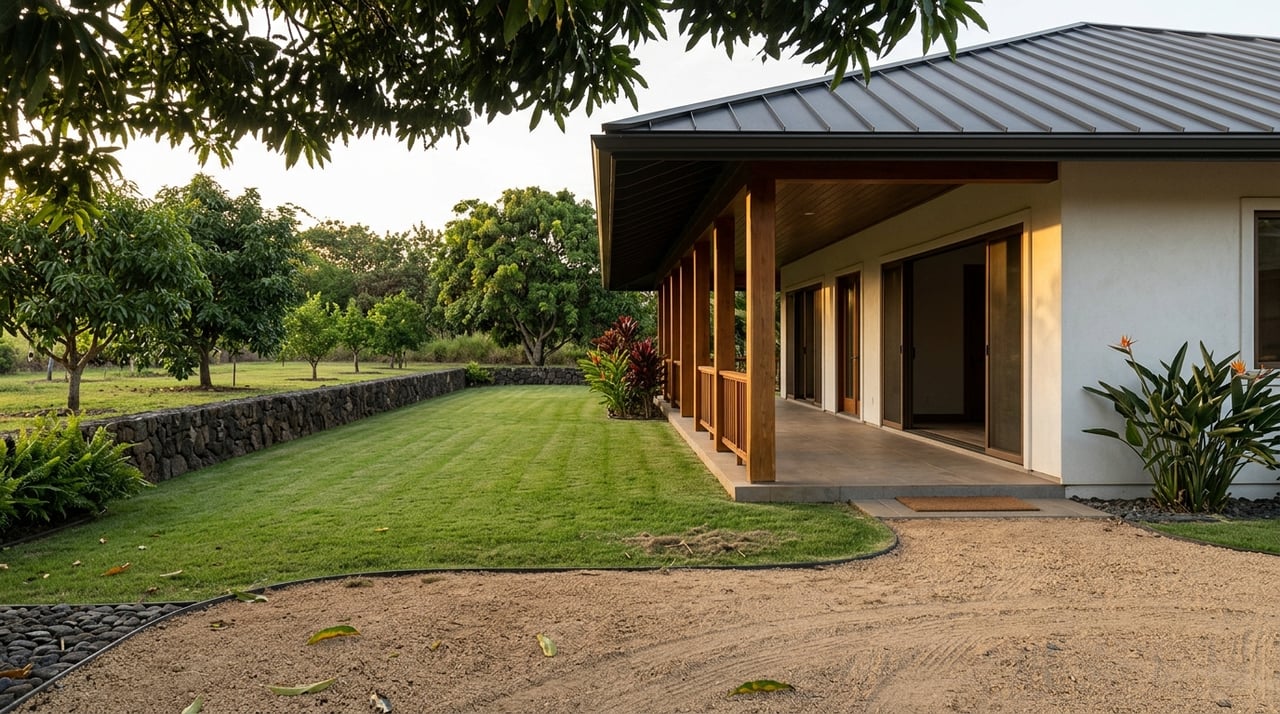
If you picture North Shore life as all beach cottages and resort views, Kīlauea may surprise you. Around 96754, country and estate living often means more land, more privacy, and a daily setting shaped by open space, small farms, and dramatic natural scenery. If you are trying to decide whether this lifestyle fits your goals, this guide will help you understand what country living around Kīlauea really looks like and what to verify before you buy. Let’s dive in.
Why Kīlauea Feels Semi-Rural
Kīlauea is a small North Shore community, not a large suburban area. The 2020 Census counted 3,014 residents, 1,093 housing units, and about 5.0 square miles of land, which helps explain why the area feels compact in town and more open as you move outward.
County planning materials describe the Kīlauea-Waipake-Kalihiwai area as a compact town center with neighborhood businesses, surrounded by lower-density residential areas and small farms. That mix is a big part of what draws buyers who want space without feeling too far from daily essentials.
The setting also shapes the lifestyle. Kīlauea Point National Wildlife Refuge sits on Kauaʻi’s northernmost point and is known for its ocean-bluff landscape and large seabird colonies, which adds to the scenic, nature-forward feel many buyers notice right away.
What Country and Estate Living Means Here
Country and estate living around Kīlauea is not one single property type. In this market, you may see anything from smaller acreage homesites to large agricultural tracts, with estate-style homes, open pasture, and subdivided parcels all part of the mix.
A quick sample of eight current or recently marketed acreage listings in 96754 showed lot sizes from 1.24 acres to 30.52 acres, with a median around 4.3 acres. While that is not a formal market-wide median, it does show the broad range buyers can expect when searching for land or larger residential properties in the area.
That range matters because your idea of “country” may be very different from someone else’s. For one buyer, it may mean a few acres and a custom home with room to breathe. For another, it may mean a larger agricultural parcel with more land-use questions to work through.
Typical Parcel Sizes Around Kīlauea
Many buyers start with acreage in mind, but it helps to know what is realistic in 96754. Based on the research sample, common offerings included parcels around 1.24, 1.82, 2.0, 3.46, 5.08, and 7.875 acres, along with much larger properties at 17.88 and 30.52 acres.
That tells you the local country market often sits in three broad categories:
- Smaller acreage homesites
- Mid-size estate parcels
- Larger agricultural tracts
Each category can come with a different ownership experience. A 2-acre parcel may feel very manageable if you want space and views without extensive upkeep, while a 20-acre-plus property may require a much more hands-on approach to land use, maintenance, and planning.
Common Features Buyers See
Country properties around Kīlauea often stand out for their natural setting. Listings commonly mention ocean, coastline, mountain, pasture, sunrise, and ocean-horizon views, which is one reason this segment appeals to buyers looking for a more expansive North Shore lifestyle.
Topography can vary just as much as the views. Parcels may be cleared, grassy, wooded, level, rolling, hilly, or gently sloped, so the feel of one property can be very different from the next even within the same general area.
Access patterns also vary. Some parcels front county roads, while others sit on private roads or appear as flag lots, and some estate-style properties are located within named agricultural subdivisions. In other words, a large lot does not always mean completely remote or undeveloped land.
In some cases, estate parcels may also have HOA dues. That is an important reminder that country living can still come with subdivision structure, shared standards, or private road arrangements depending on the parcel.
Utilities Can Differ by Parcel
One of the biggest realities in the Kīlauea country market is that utilities are not one-size-fits-all. Two properties with similar acreage can have very different infrastructure, and that can affect cost, use, and long-term plans.
For example, one 30.52-acre single-family estate was listed with septic and public water, while a 17.88-acre land parcel was listed with wells and underground power. The current Kīlauea Water System report states that the county system is fed by Kīlauea Well No. 1 and No. 2, confirming that public water serves at least part of the area.
Before you fall in love with a view or a homesite, make sure you understand the basics:
- Water source
- Sewer or septic system
- Electrical service
- Road access
- Existing improvements
These details can have a major impact on both livability and future plans.
Build-Out Rules Matter
If you are thinking beyond the main home, parcel build-out rules deserve close attention. Kauaʻi County parcel build-out guides show that in agriculture and open zones, a guest house may be allowed per lot of record.
There are limits, though. Guest houses are capped at 800 square feet and are not allowed as transient vacation rentals or homestays. That means you should not assume extra square footage automatically translates into short-term rental flexibility.
This is one of the most important reasons to match your property search to your actual goals. If you want space for extended family, a guest structure may support that plan on some lots. If your goal is income from a transient use, you will need to verify what is permitted rather than rely on assumptions.
Shoreline and Land-Use Review
For ocean-view or bluff-side properties, location can add another layer of review. Kauaʻi County’s Planning Department handles zoning, subdivision, Special Management Area matters, shoreline setback review, and related land-use permits.
That does not mean every scenic parcel is difficult to buy or improve. It does mean that the more sensitive the location, the more important it is to confirm what review may apply before making plans for building, expanding, or changing use.
This is especially true in an area where the natural setting is part of the appeal. Protecting that setting often goes hand in hand with added review standards, so early due diligence can save you time and frustration later.
Lifestyle Realities on the North Shore
The beauty of Kīlauea country living is easy to understand, but practical lifestyle realities matter too. The coast is a major draw, yet ocean conditions on north-facing shores are seasonal and can sometimes be hazardous.
County Ocean Safety releases routinely warn of dangerous conditions during high-surf events and may advise against swimming or ocean activities on north-facing shores. If beach access and ocean recreation are central to your lifestyle, it helps to treat conditions with respect and plan with seasonal patterns in mind.
That balance is part of living well on Kauaʻi. You can enjoy the scenery, open land, and coastal setting while also understanding that nature sets the pace here.
Kīlauea Is Still Evolving
Another key piece of context is that Kīlauea is not frozen in time. County materials show that the town core is still being actively planned through the Kilauea Town Expansion project west of the existing center, and the County Housing Agency has framed North Shore housing supply as an ongoing need.
For buyers, that means the area continues to evolve even while it keeps its semi-rural character. You may find a property that feels tucked away, but it is still part of a broader community shaped by planning, housing needs, and changing land use over time.
This combination is part of what makes Kīlauea distinctive. It offers a spectrum from town-core living to acreage-based country properties, with each parcel telling its own story.
Smart Due Diligence Steps
Because the area is so parcel-specific, your research should go beyond price and acreage. A beautiful setting is only part of the picture.
As you evaluate country or estate property around Kīlauea, focus on these questions:
- What is the exact zoning and what does it allow?
- Is water provided by county service, a well, or another source?
- Is the property on septic or another sewer setup?
- How is the parcel accessed?
- Are there subdivision rules or HOA dues?
- Could shoreline setback or SMA review apply?
- What improvements or additional structures are actually allowed?
A careful review upfront can help you buy with confidence. It can also help you compare properties more clearly when two parcels look similar on paper but function very differently in real life.
Finding the Right Fit
Country and estate living around Kīlauea can be incredibly rewarding if you want space, scenery, and a stronger connection to the land. It can also require a more thoughtful buying process than a standard in-town purchase because utilities, access, and build-out potential can vary so much from lot to lot.
That is where local guidance matters. When you understand how Kīlauea’s town core, agricultural surroundings, and parcel-by-parcel realities all work together, you are in a much better position to choose a property that truly fits your lifestyle and long-term plans.
If you are exploring country and estate property on Kauaʻi’s North Shore, Cheree Rapozo can help you navigate the details with local insight, practical guidance, and a warm, full-service approach. E Komo Mai — Let’s find your Hawaiʻi home.
FAQs
What does country living around Kīlauea usually look like?
- It often means a mix of low-density residential properties, small farms, estate parcels, and agricultural land surrounding a compact town center.
What parcel sizes are common for Kīlauea country properties?
- In the research sample for 96754, acreage listings ranged from 1.24 to 30.52 acres, with a median of about 4.3 acres.
What utilities should you verify on a Kīlauea estate parcel?
- You should confirm the water source, sewer or septic setup, power service, road access, and any existing utility improvements tied to the lot.
Can a Kīlauea agricultural parcel include a guest house?
- Kauaʻi County guides show that a guest house may be allowed per lot of record in agriculture and open zones, with an 800-square-foot cap and no transient vacation rental or homestay use.
Why do shoreline rules matter for Kīlauea properties?
- Ocean-view or bluff-side parcels may be subject to shoreline setback or Special Management Area review, which can affect building and land-use plans.
Is Kīlauea mostly rural or more like a town neighborhood?
- It is best understood as a spectrum, with a compact town core and surrounding acreage areas that create a semi-rural North Shore setting.